Morocco is one of those rare destinations that genuinely lives up to the hype. Ancient medinas that have barely changed in centuries, Sahara dunes stretching to the horizon, mountains dusted with snow, and coastlines where the Atlantic meets the Mediterranean — all packed into a single country the size of California. If you’re planning your first trip, this guide will walk you through everything you need to know before you go.
Is Morocco Safe to Visit?
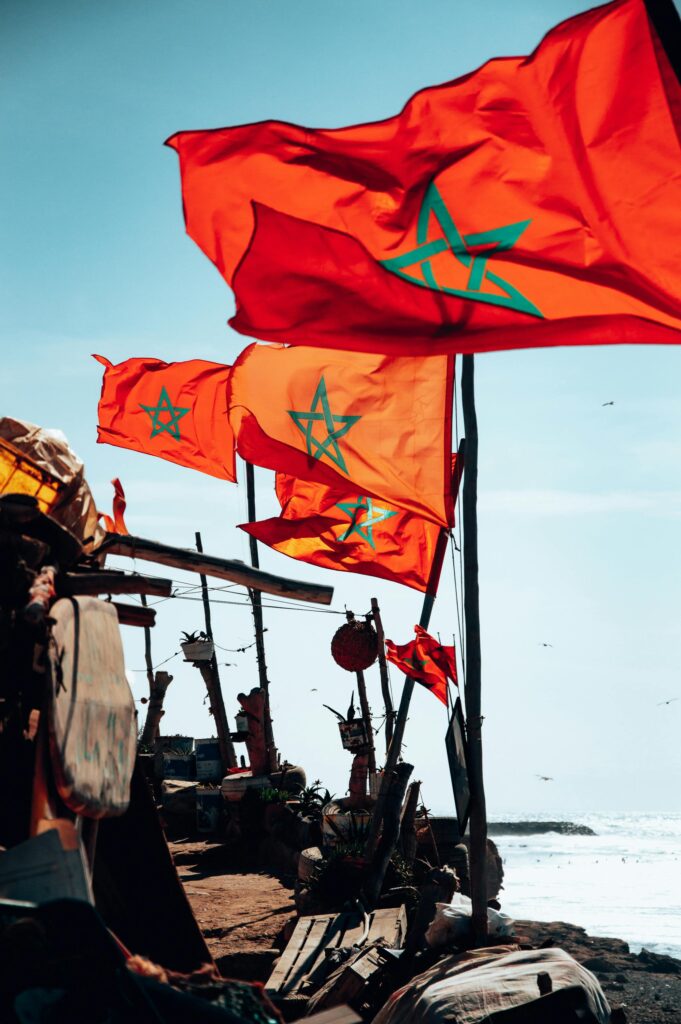
Yes — Morocco is one of the safest countries in North Africa for tourists. Millions of international visitors travel there every year without incident. That said, like any destination, it pays to be aware of your surroundings.
A few practical safety tips:
- In the medinas, stay alert for unofficial “guides” who approach you offering help. They often expect payment and can be persistent. It’s fine to say no politely and walk on.
- Petty theft can occur in crowded souks. Keep your phone and wallet in a front pocket or a zipped bag.
- Women traveling solo can have a wonderful experience in Morocco, though some cities are more relaxed than others. Dressing modestly helps significantly.
- Scams are rare but exist — the most common ones involve carpet shops and fake “museum” redirections. If someone insists on taking you somewhere “for free,” it’s rarely free.
The key is to travel with a reliable local contact or guide, especiall
/
Do I Need a Visa to Visit Morocco?
Morocco has one of the most traveler-friendly visa policies in Africa. Citizens of the United States, United Kingdom, European Union countries, Canada, and Australia can enter Morocco visa-free for up to 90 days. You only need a valid passport (with at least 6 months validity remaining).
If you’re from a country that does require a visa, you’ll need to apply at a Moroccan embassy or consulate in advance. Always check the current requirements for your nationality before you travel, as policies can change.
Here you can see If you need a Visa for coming.
When Is the Best Time to Visit Morocco?
Morocco has distinct regions with very different climates, so the “best time” depends on where you’re going.
- Spring (March to May) is the most popular season — warm but not scorching, wildflowers blooming in the Atlas Mountains, and festivals like the Rose Festival in Kelaat M’Gouna. This is peak travel time, so book accommodation early.
- Autumn (September to November) is equally beautiful. Temperatures have dropped from the summer peak, the crowds thin out, and the light in the south is golden and spectacular.
- Summer (June to August) is hot — very hot in Marrakech and the desert (up to 45°C / 113°F). The coast and mountain areas are more comfortable. Prices are lower in the south during summer.
- Winter (December to February) is mild along the coast and in Marrakech, but the Atlas Mountains and Sahara can get genuinely cold at night. The Sahara in winter has crisp, clear skies — ideal for stargazing.
If it’s your first visit and you want to see the country comfortably, aim for April or October.
How to Get to Morocco
By air: The main international airports are Marrakech Menara (RAK), Casablanca Mohammed V (CMN), and Fes-Saïss (FEZ). From Europe, there are frequent direct flights — often under 3 hours from Spain, France, or the UK. From North America, most routes connect through Casablanca or Madrid.
By ferry: If you’re traveling from Spain, you can take a ferry from Algeciras, Tarifa, or Almería to Tangier or Ceuta. It’s a great option if you’re doing a road trip 7through southern Europe and want to cross into Morocco by land.
Getting Around Morocco
Morocco has a surprisingly good transport infrastructure for its size.
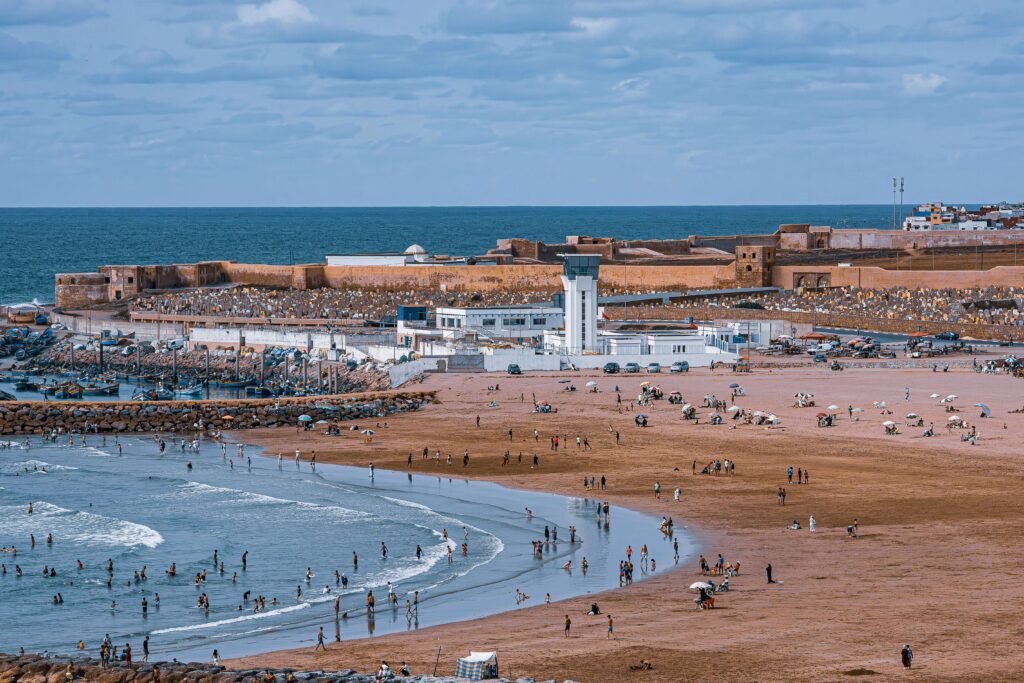
Trains (ONCF): The train network connects the main cities — Casablanca, Rabat, Fes, Marrakech, and Tangier. The Al Boraq high-speed rail between Tangier and Casablanca is excellent. Trains are comfortable, affordable, and punctual.
CTM Buses: For routes not covered by train (like Chefchaouen, Ouarzazate, or the Sahara towns), CTM is the reliable long-distance bus company. Book in advance during peak season.
Grand Taxis: Shared taxis that run fixed routes between towns. Cheaper than private taxis but they leave when full. A classic Moroccan transport experience.
Private transfers: For comfort and flexibility — especially for desert and mountain routes — private transport with a driver is the most practical option. All Hicham in Morocco tours include comfortable, air-conditioned private transport.
Driving: Morocco drives on the right. Roads between cities are generally good, but mountain roads require experience. International driving licenses are accepted.
A good tour guide will help you getting transport in th city, ask Hicham, he will help you in everything you ask.
Where to Stay in Morocco
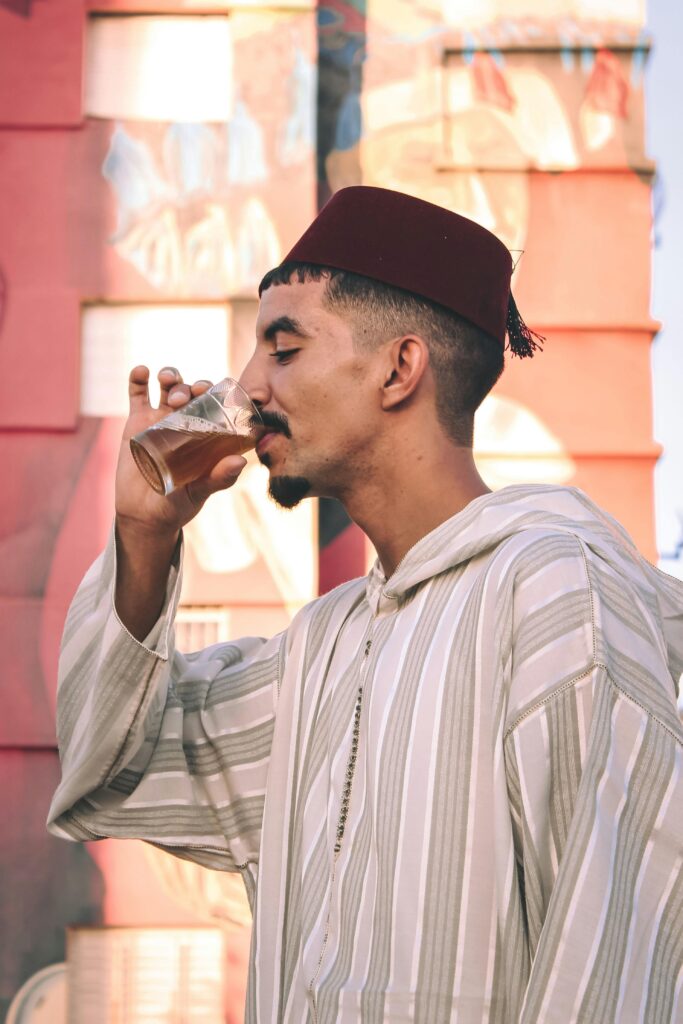
Morocco has accommodation for every budget.
Riads: Traditional guesthouses built around a central courtyard, usually with a fountain and garden. Staying in a riad is one of the most authentic Moroccan experiences — quiet, beautifully decorated, and often family-run. Highly recommended for first-time visitors.
Hotels: International chains are found in Casablanca, Marrakech, and Agadir. Boutique hotels are excellent throughout the country.
Desert camps: For Sahara trips, luxury glamping camps with proper beds, private bathrooms, and good food are widely available. They’re not as “roughing it” as you might think — and the stargazing makes it completely worthwhile.
Money and Budget
Morocco uses the Moroccan Dirham (MAD). It’s not freely convertible outside Morocco, so exchange or withdraw money once you arrive. ATMs are widely available in cities.
Daily budget estimates (per person):
- Budget traveler: €25–40/day (hostels, local food, shared transport)
- Mid-range: €60–100/day (riad, restaurants, private transport)
- Comfort/luxury: €150+/day
Tipping: Expected in restaurants (5–10%), taxis (round up), and for any guide or driver. In souks, tipping is not expected but appreciated.
Bargaining: Standard practice in markets and souks. Start at about half the asking price and work toward a middle ground. It’s a social ritual, not confrontation — enjoy it.
What Language is Spoken in Morocco?
Morocco is multilingual. The official languages are Arabic (Darija — the Moroccan dialect) and Amazigh (Berber). French is widely spoken and is effectively the language of business, tourism, and signage. Spanish is common in the north. English is spoken in tourist areas and by younger Moroccans, but less reliably in rural areas.
A few words of French go a long way. Learning “shukran” (thank you in Arabic) and “la shukran” (no thank you) will serve you well in the medinas.
Practical Tips for First-Time Visitors
Dress modestly, especially outside of beach towns. Shoulders and knees covered is the baseline. In medinas and rural areas, women especially will feel more comfortable dressing conservatively.
Respect prayer times. Shops may close briefly for Friday prayers. The call to prayer is part of the experience — embrace it. Haggle, but with a smile. Negotiating prices in souks is expected, but always stay friendly and respectful.
Drink bottled water. Tap water is not recommended for visitors. Stay hydrated, especially in summer.
Carry small change. Many local shops and cafés don’t have change for large bills.
Photography etiquette: Always ask before photographing people, especially in the medina. Some locals will ask for a small tip in return, which is reasonable.
Ready to Start Planning?
Morocco is endlessly rewarding for first-time visitors — but it can also feel overwhelming without local knowledge. At Hicham in Morocco, we design tours that take the stress out of planning and put the magic back in. From private medina walks to multi-day Sahara expeditions, we’ll help you experience Morocco the way it’s meant to be experienced.
Explore Experiences →